Reusable Bags & Eco Totes
Cotton canvas totes, jute bags, non-woven bags, and cotton drawstring pouches. Custom printing and embroidery available. Perfect for retail, events, and corporate gifting.
How Reusable Bags Are Made
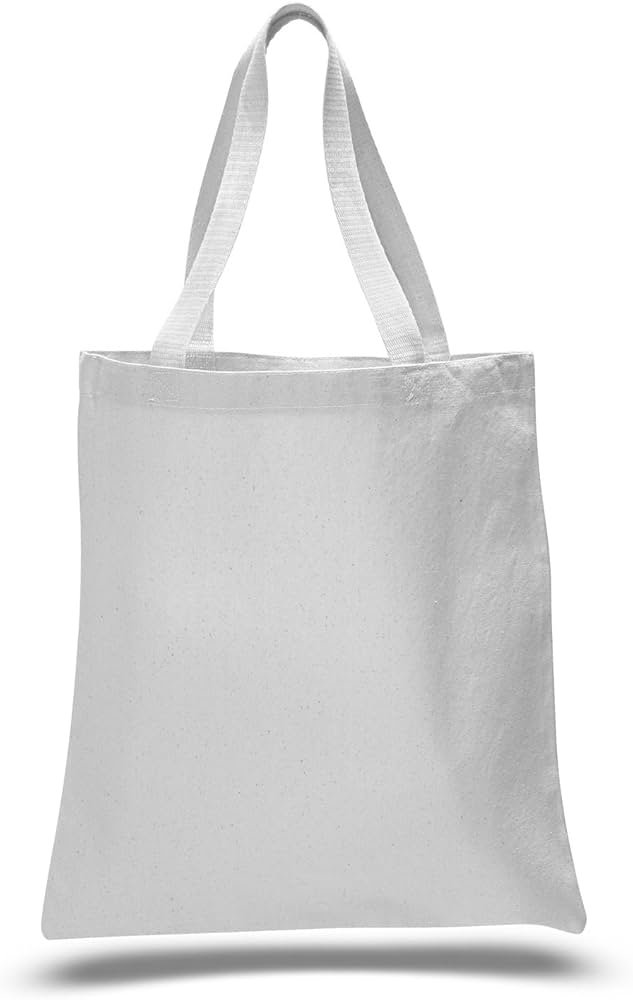
From raw fiber to finished bagCotton canvas bags are made from 100% natural cotton fiber. The GSM (grams per square meter) determines thickness and durability — from 110gsm (lightweight) to 340gsm (heavy canvas).
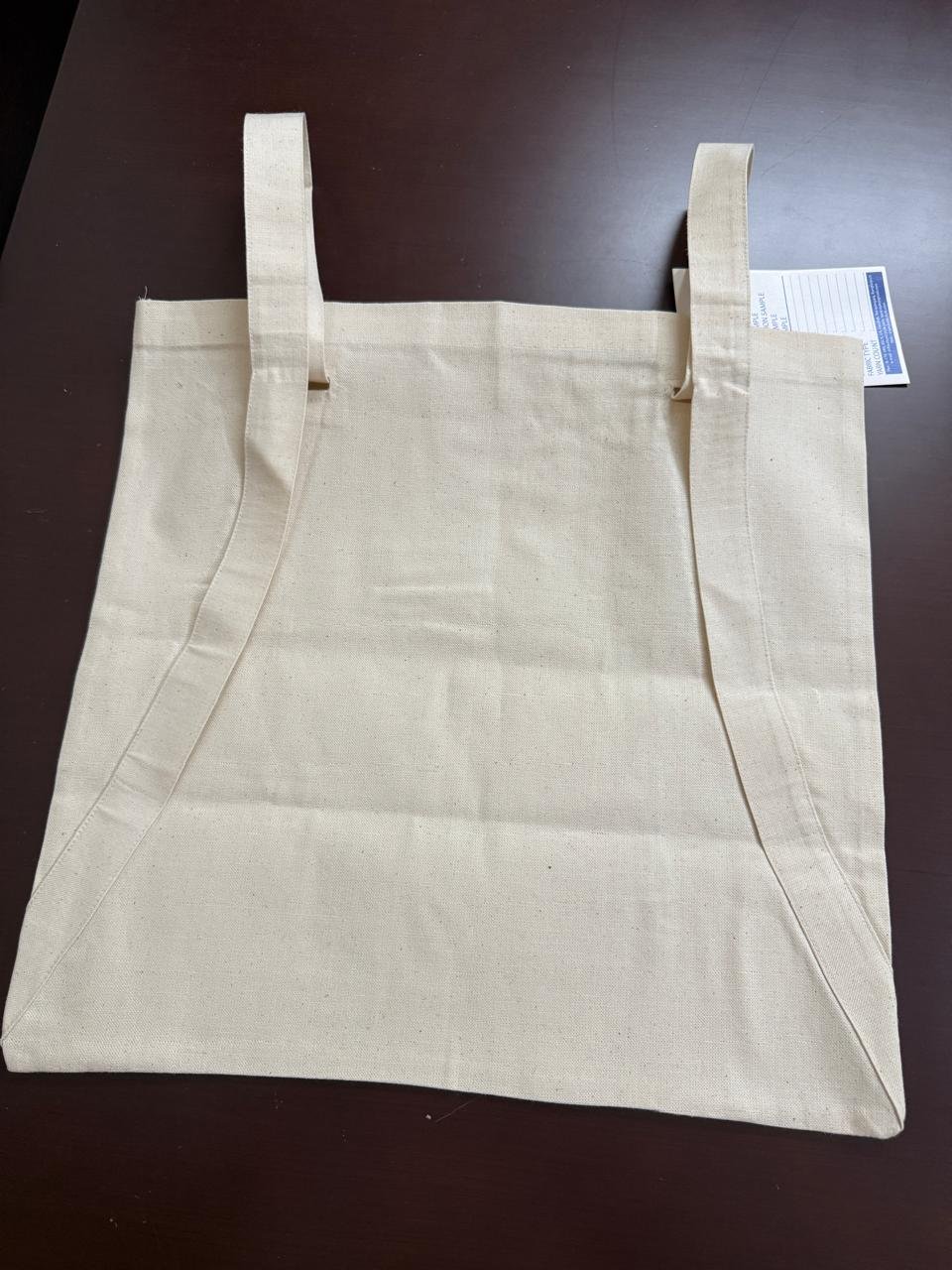
Fabric Weaving
Cotton yarn is woven into canvas (plain weave) or twill. 140gsm = light tote, 220gsm = standard, 340gsm = heavy-duty. Width: 150-160cm on industrial looms.
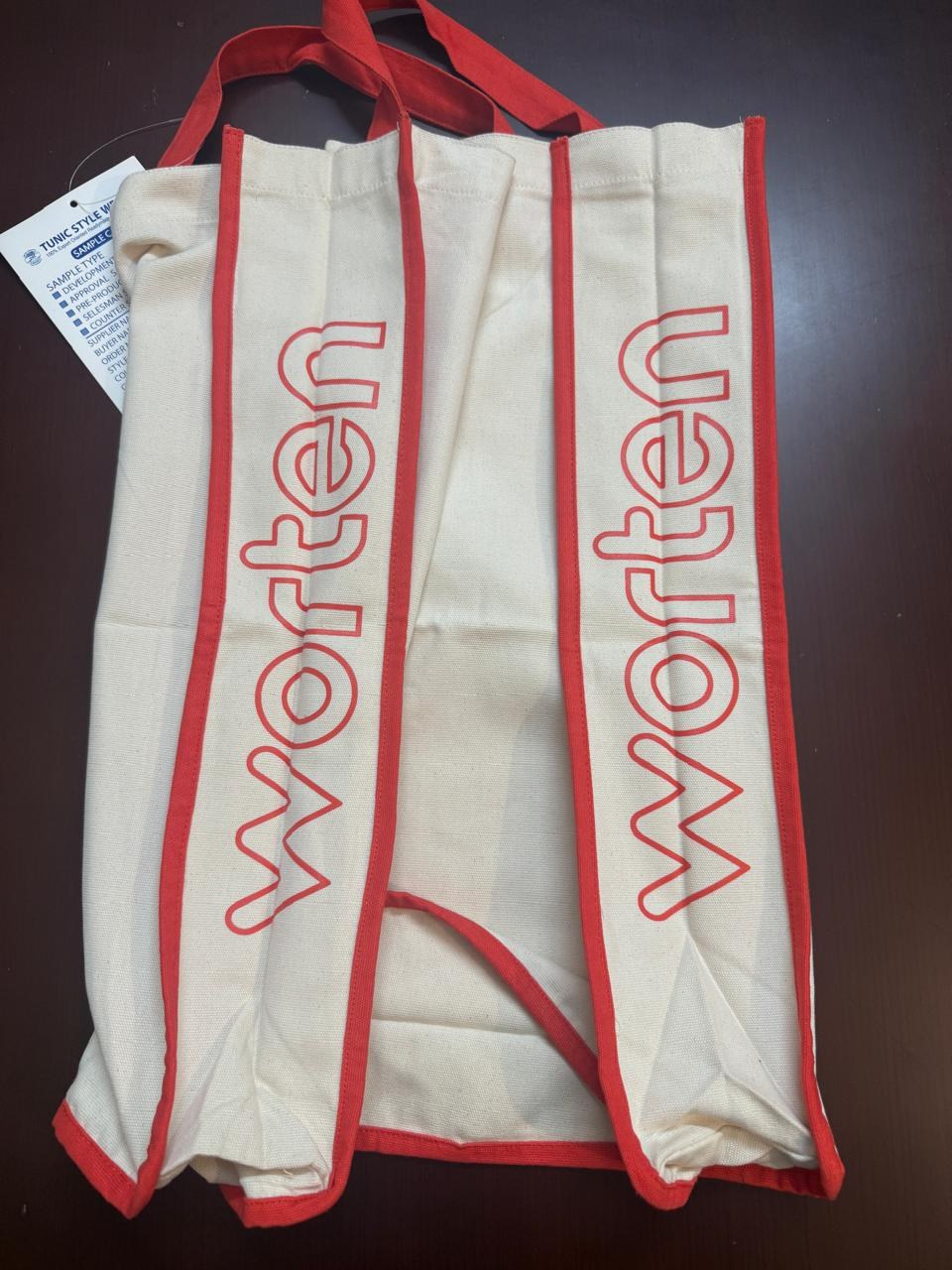
Cutting & Preparation
Fabric is laid in 50-100 layers and cut by CNC cutter. Handles cut separately — self-fabric, webbing, or rope. Average waste: 5-8%.
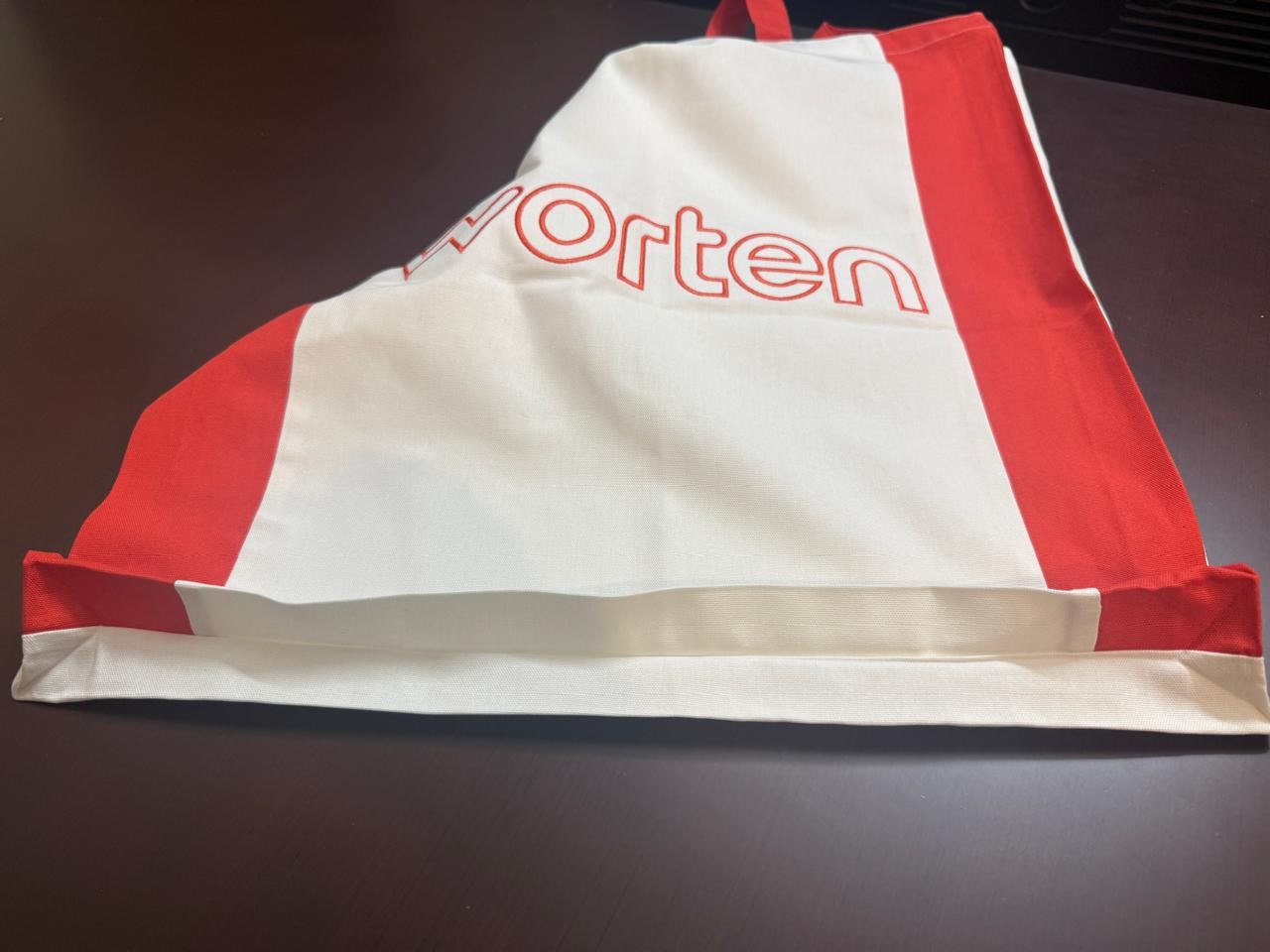
Sewing & Assembly
Body panels sewn with lockstitch, gussets added for structure. Handles reinforced with X-box stitching (holds 15-25kg). A standard tote: 8-10 sewing operations.
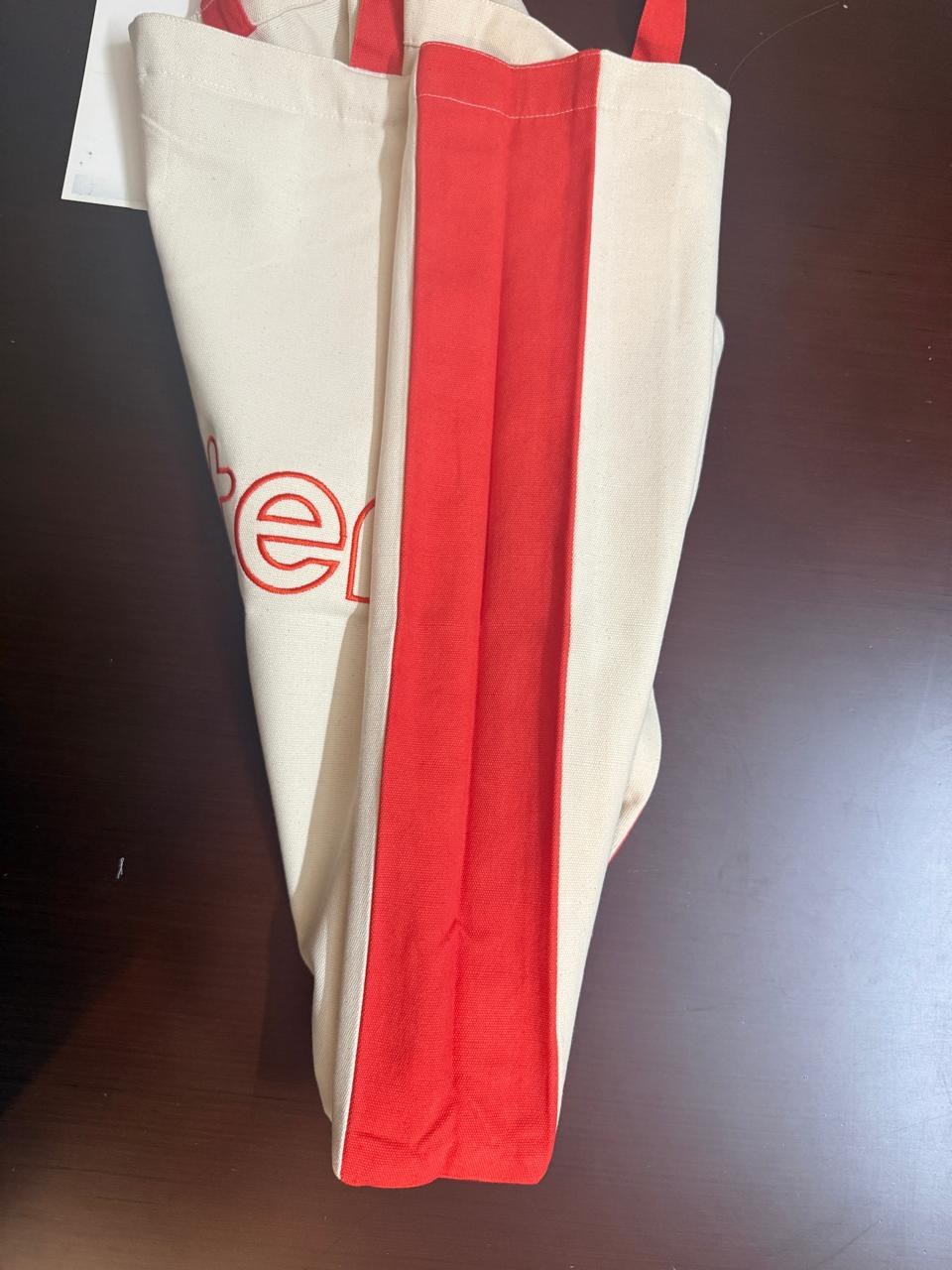
Printing & Branding
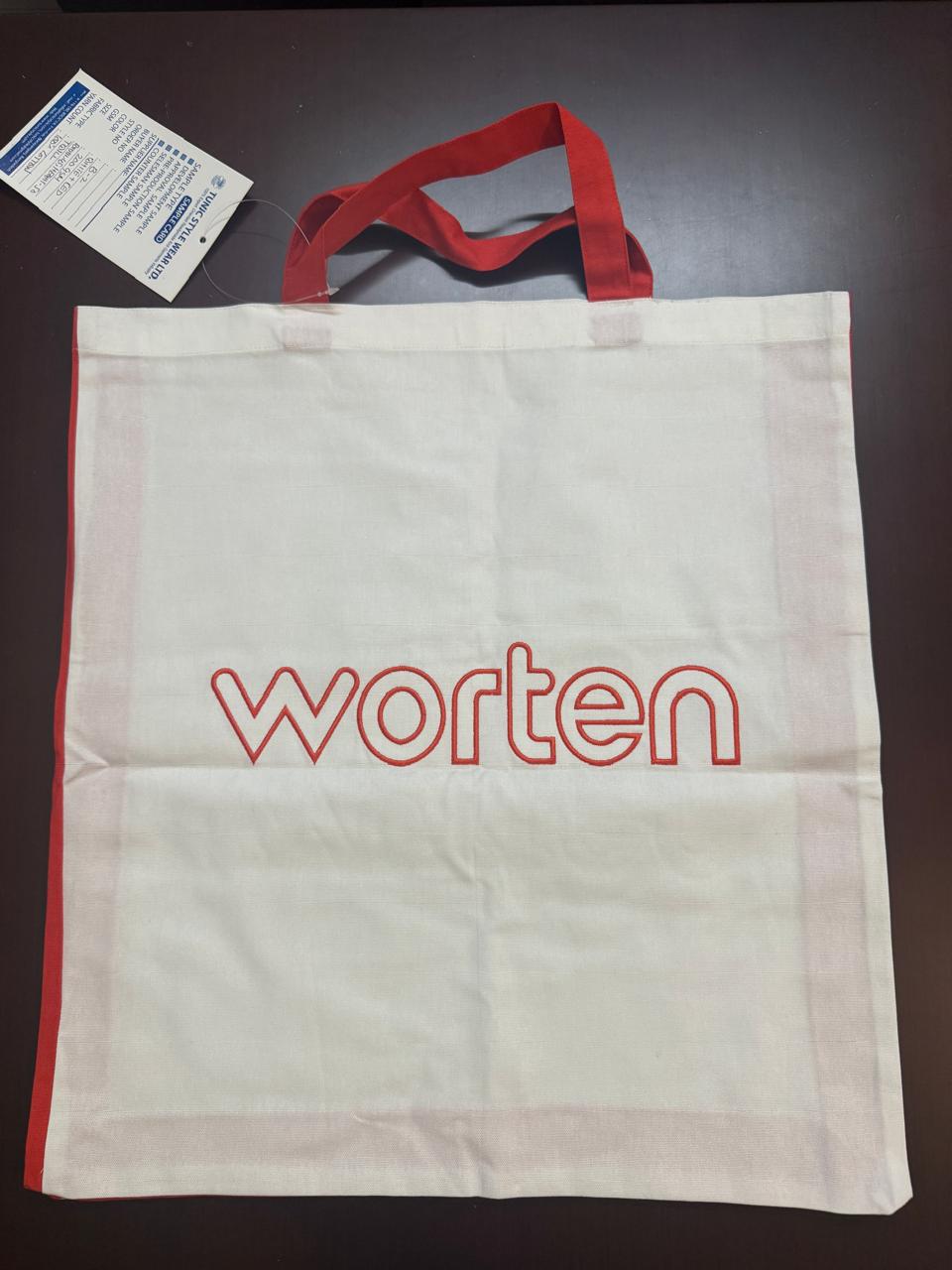
Screen print (1-4 colors), heat transfer, or embroidery. Screen print is most cost-effective for large orders. Full-color CMYK via heat transfer for photo-quality.
QC & Packing
Weight check (GSM test), handle pull test, print quality, stitching inspection. Bags folded, packed 100-200 per polybag, then cartons. OEKO-TEX certification available.
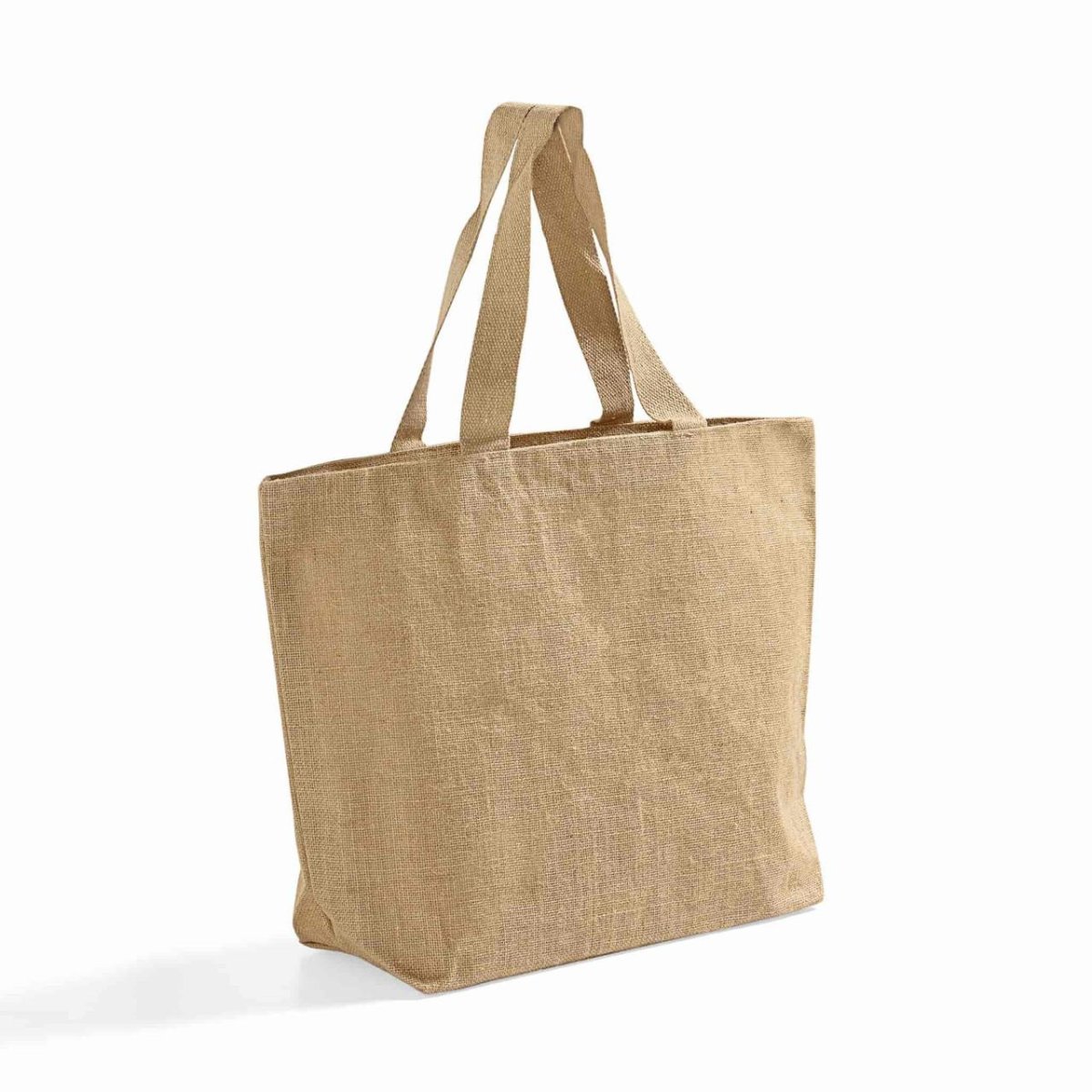
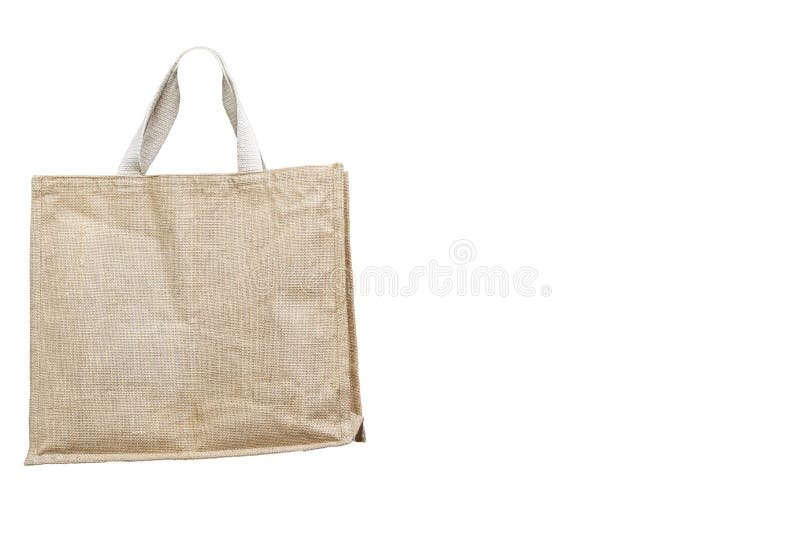
Jute is a natural bast fiber from the Corchorus plant. It’s biodegradable, strong, and has a distinctive rustic texture perfect for eco-friendly retail bags.
Fiber Processing
Jute stems are retted (soaked) for 2-3 weeks, then stripped and dried. Fibers are carded and spun into yarn for weaving.
Weaving & Lamination
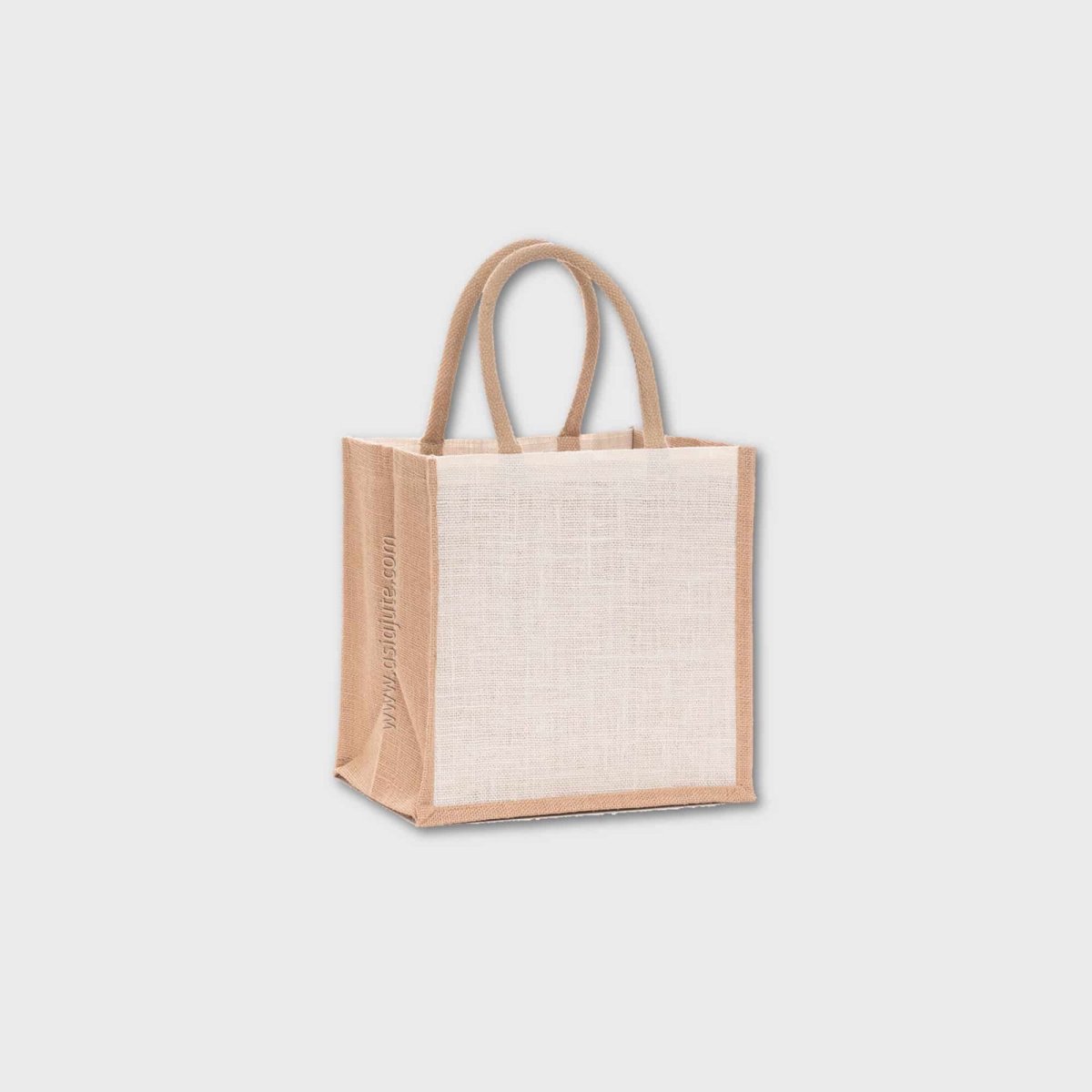
Jute yarn is woven into hessian fabric on power looms. For shopping bags, fabric is often laminated with thin PE or PLA lining for water resistance.
Construction & Finishing
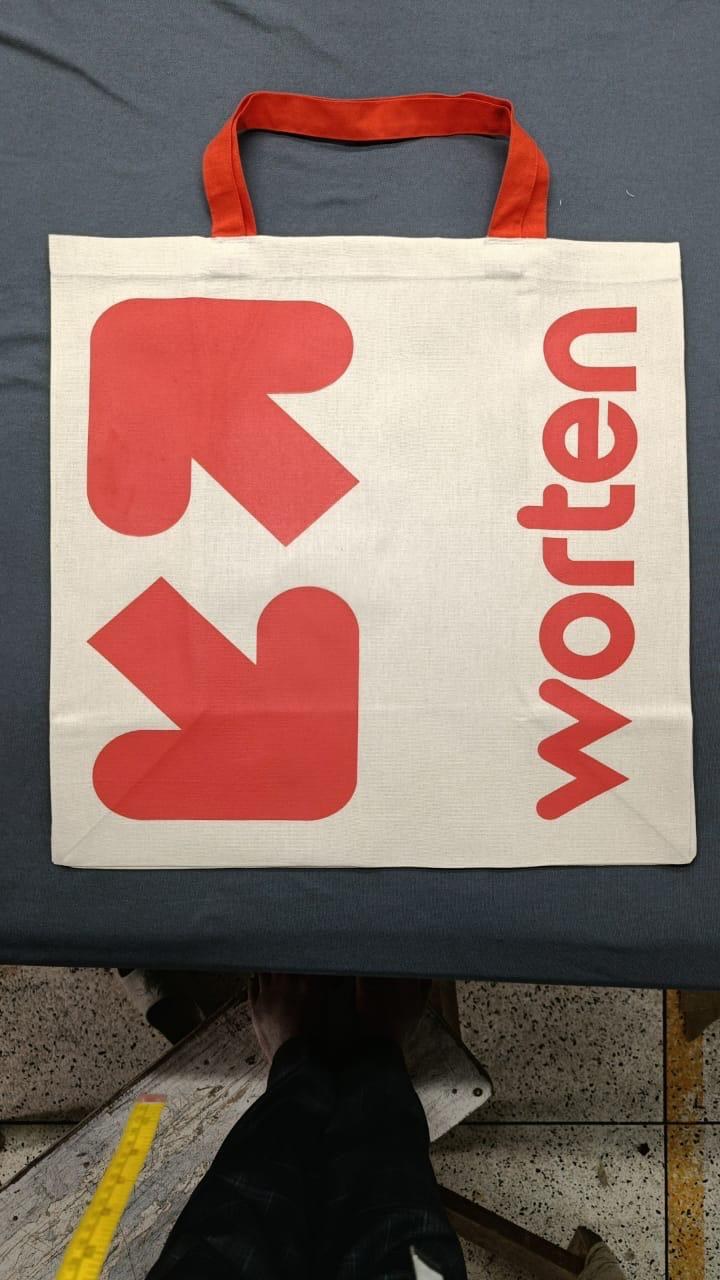
Cut, sewn with cotton or jute webbing handles. Optional: cotton lining, zip closure, magnetic snap. Screen printed or jute-compatible heat transfer for branding.
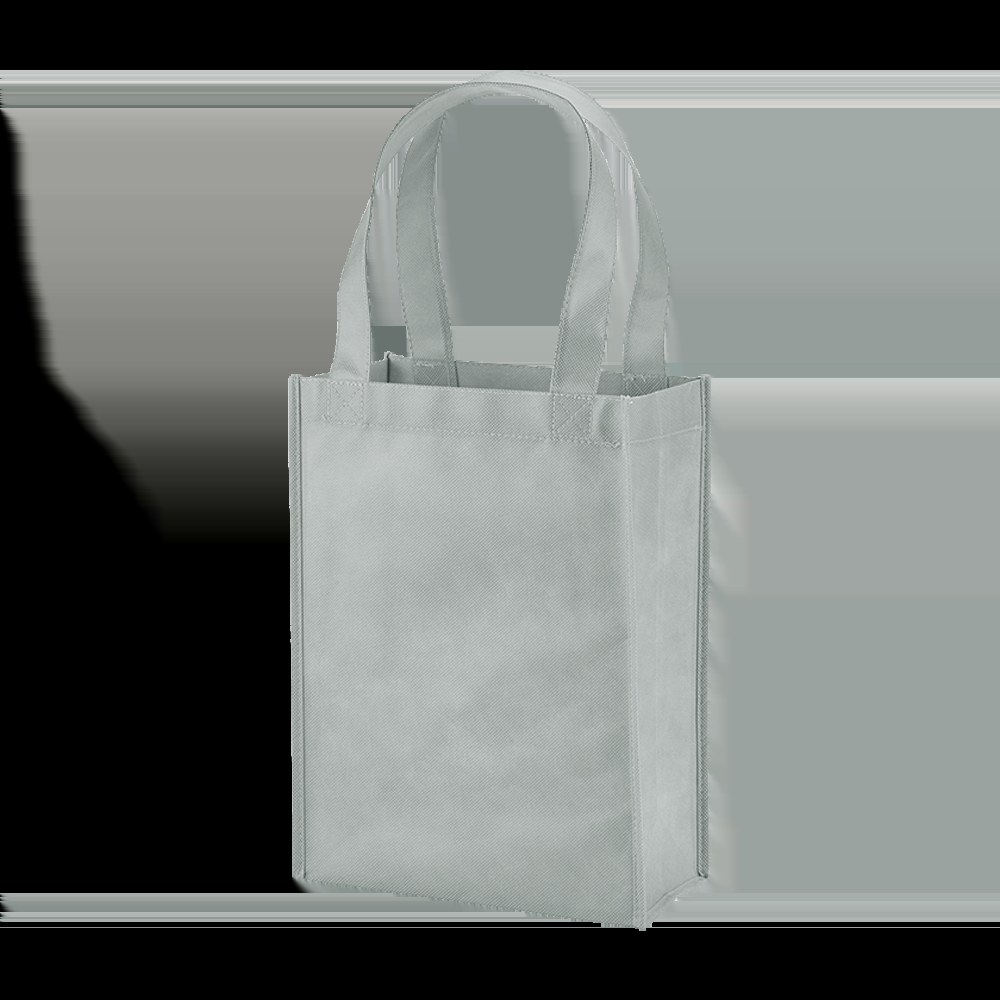
Non-woven bags are made from polypropylene (PP) fabric produced by bonding fibers with heat/pressure instead of weaving. Lightweight, water-resistant, and very cost-effective for promotional and retail use.
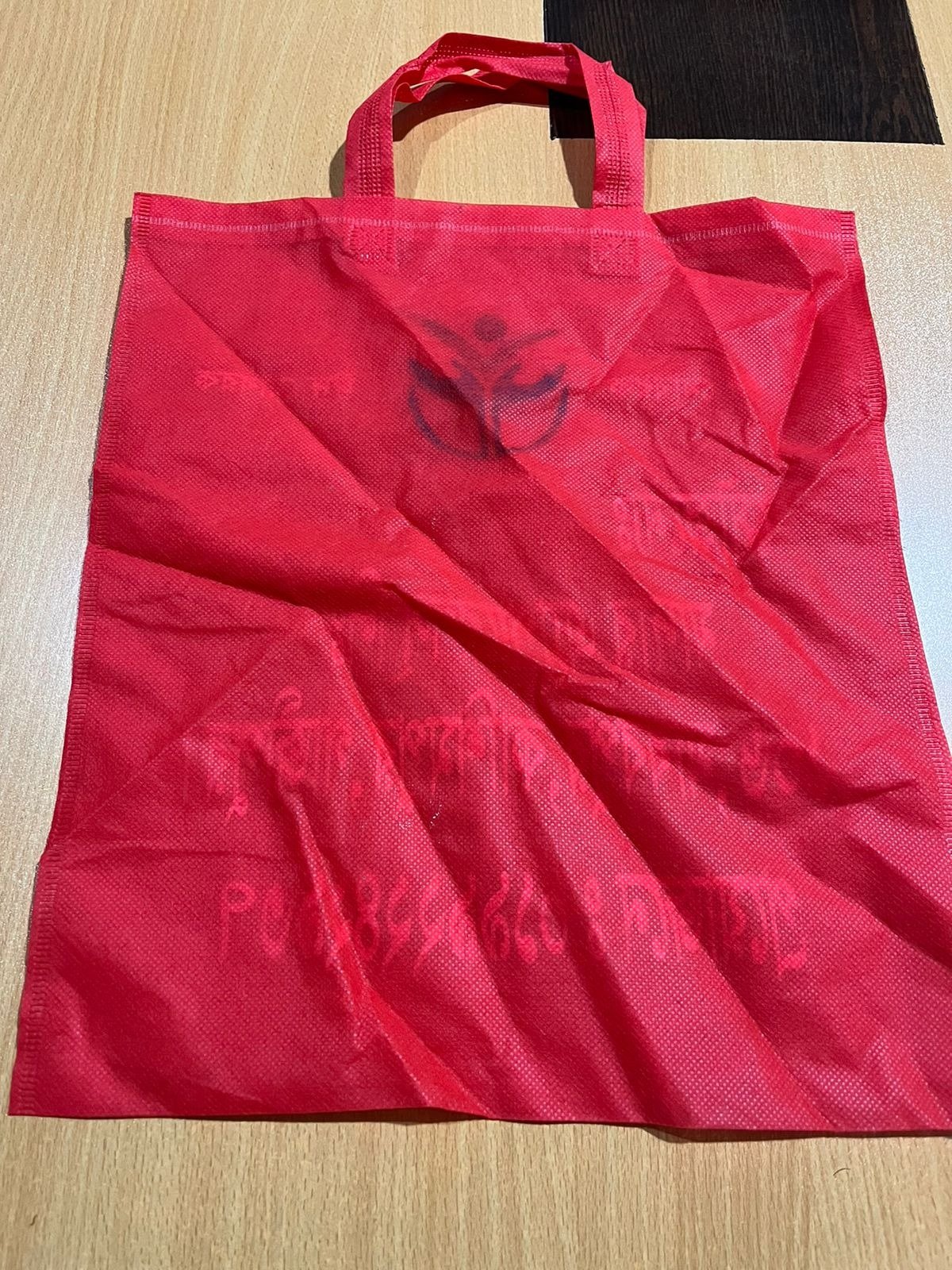
Spunbond Process
PP granules are melted at 230°C, extruded through spinnerets into filaments, laid randomly on a conveyor, and bonded by hot calender rolls. Result: 60-100gsm non-woven fabric.
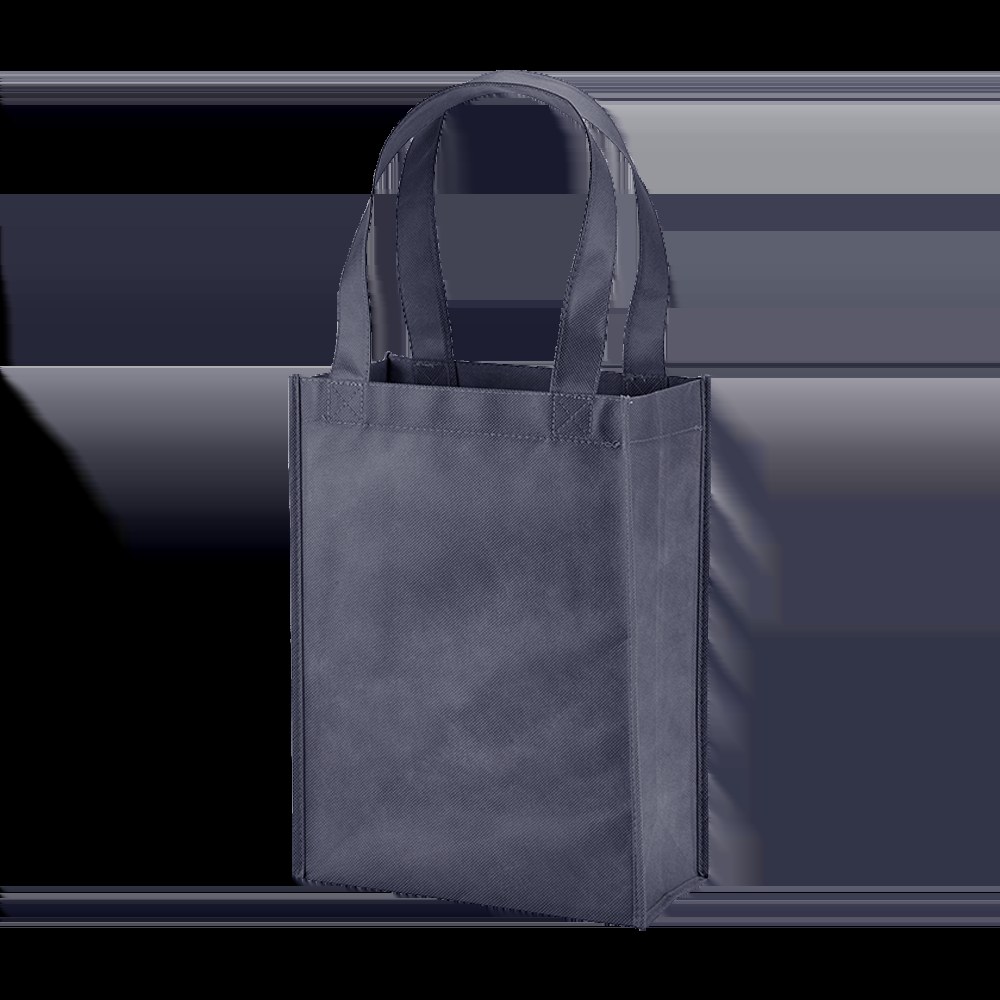
Cutting & Welding
Fabric is cut and joined by ultrasonic welding (no thread needed) or sewn. Handles attached by heat press or stitching. Production speed: 30-60 bags/min per machine.
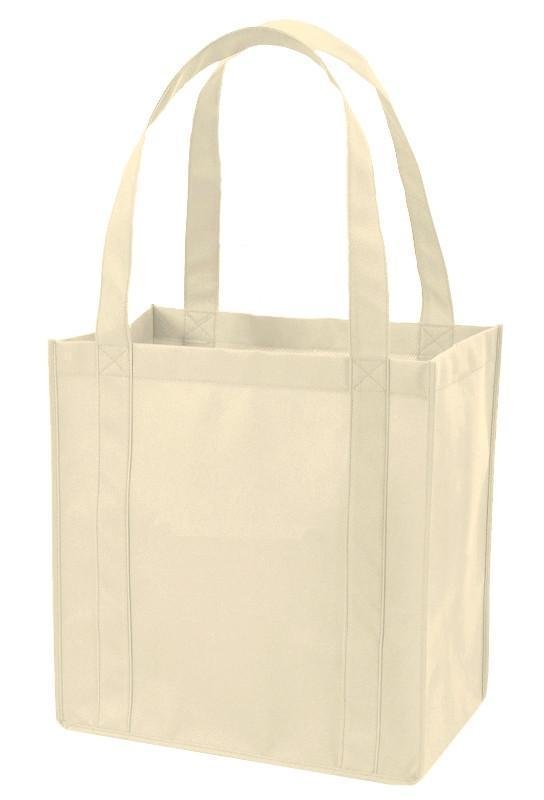
Printing & Packing
Screen print or offset print (up to 6 colors). Non-woven takes ink well for vibrant graphics. Bags are folded flat — 500-1000 per carton. 100% recyclable.
Bags
7 product groups 📦
📦
Heavy Duty Canvas Tote Bags
 📦
📦
Embroidered Cotton Shopping Bags
 📦
📦
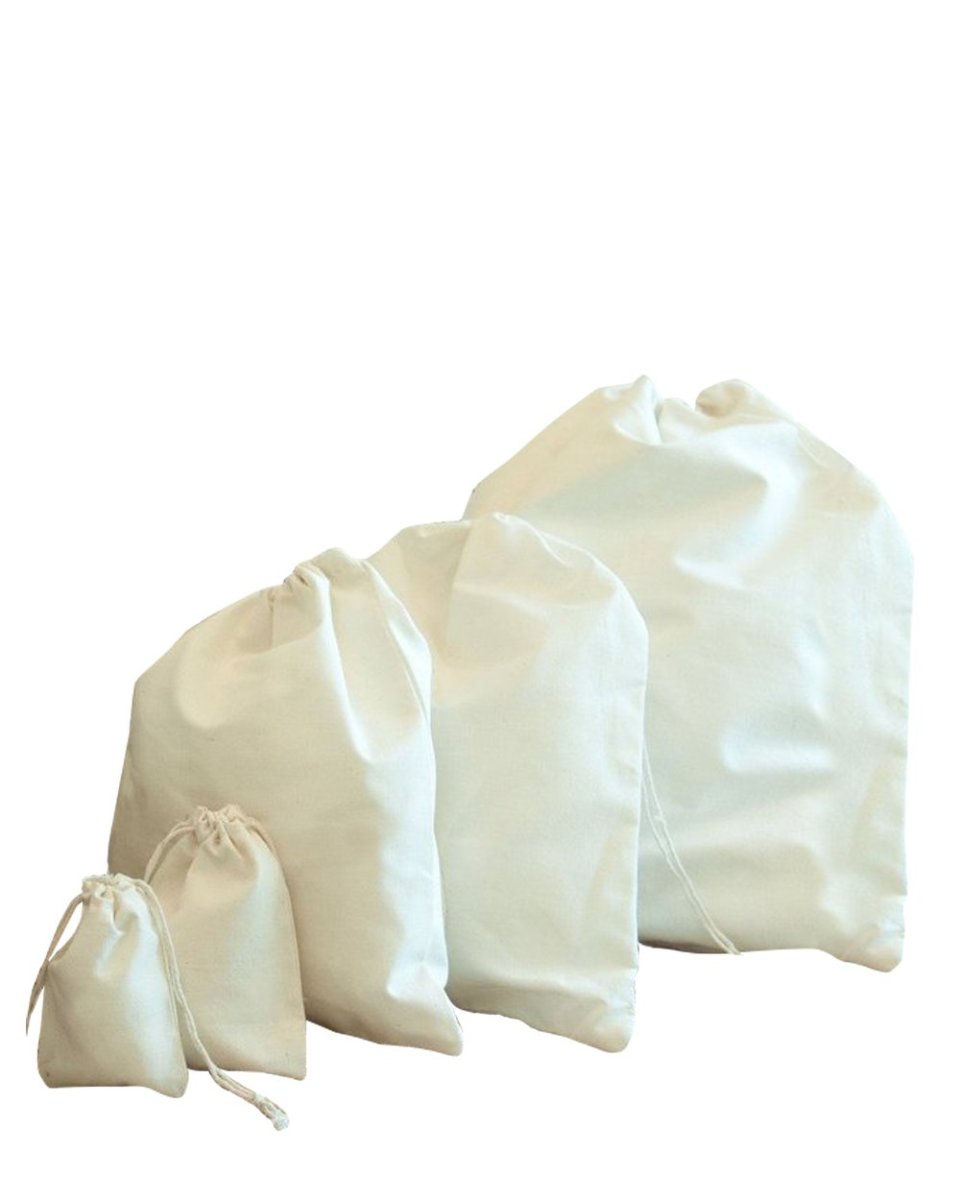
Cotton Drawstring Bags & Pouches
 📦
📦
Cotton Twill Shopping Bags
 📦
📦

